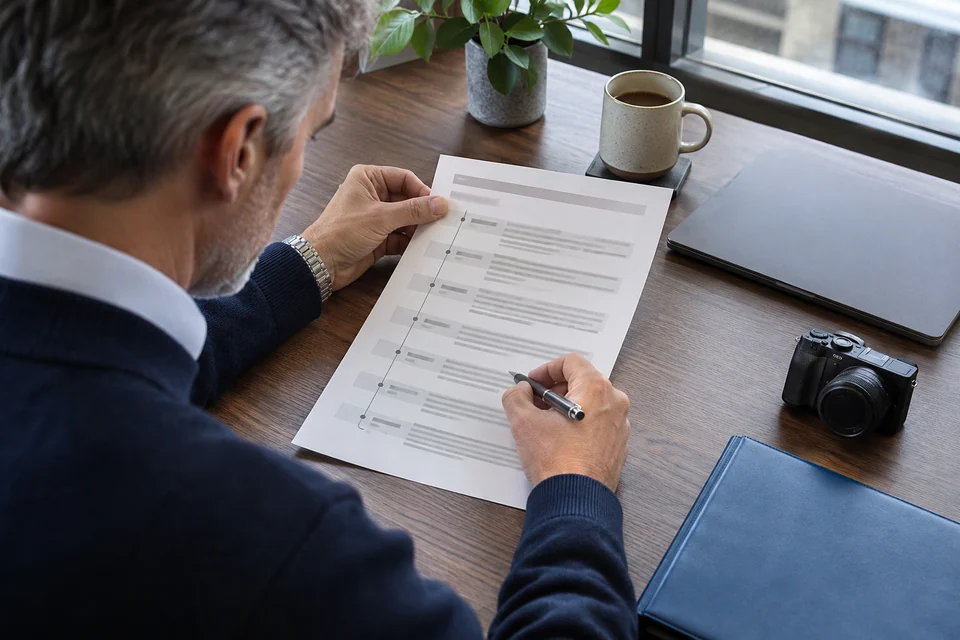

What Can a Private Investigator Do in the UK?
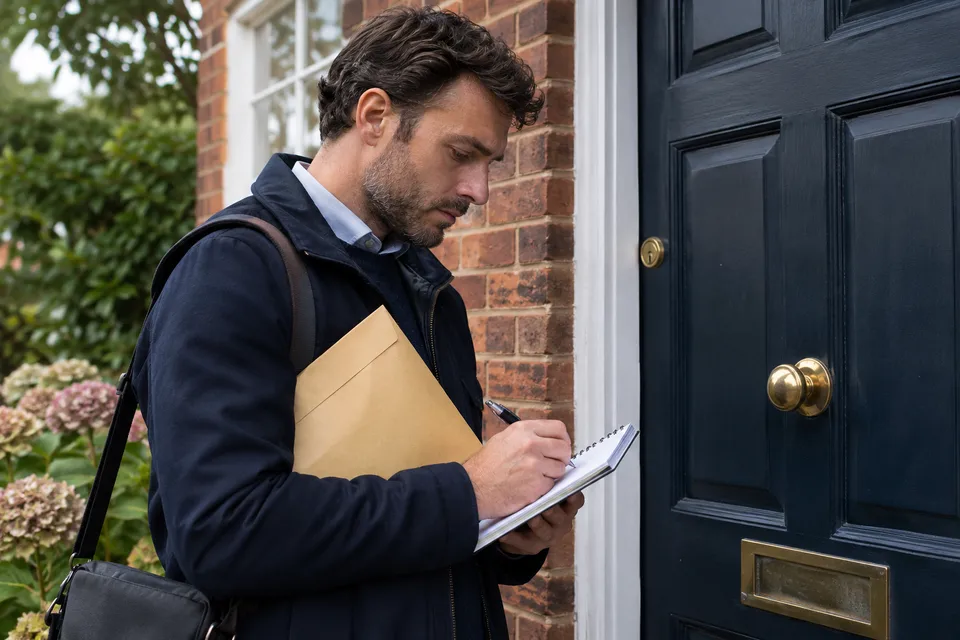
Explore the enquiries private investigators can carry out, including surveillance, tracing and research, alongside the limits on powers and access to records.
Read the GuideStraightforward answers about private investigations, costs, evidence and the questions people ask before they contact us.

All 98 guides and articles
No guides match that search. Try a different word or clear the search to see everything.
Explore the enquiries private investigators can carry out, including surveillance, tracing and research, alongside the limits on powers and access to records.
Read the Guide
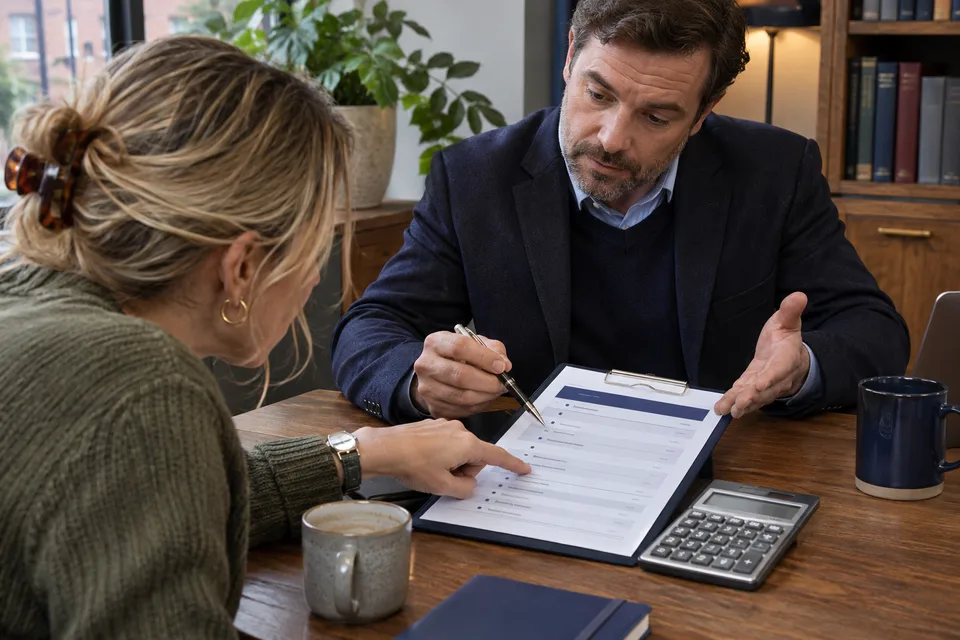
Learn about our investigation experience, professional affiliations and practical standards, including the questions to ask before choosing an investigator.
Read the Guide
Understand private investigator fees for tracing, surveillance and other enquiries. We explain the work, expenses and reporting before you decide to book.
Read the Guide
Need an investigation to start quickly? We explain what affects availability, which details help preparation and why urgent work still needs proper checks.
Read the Guide
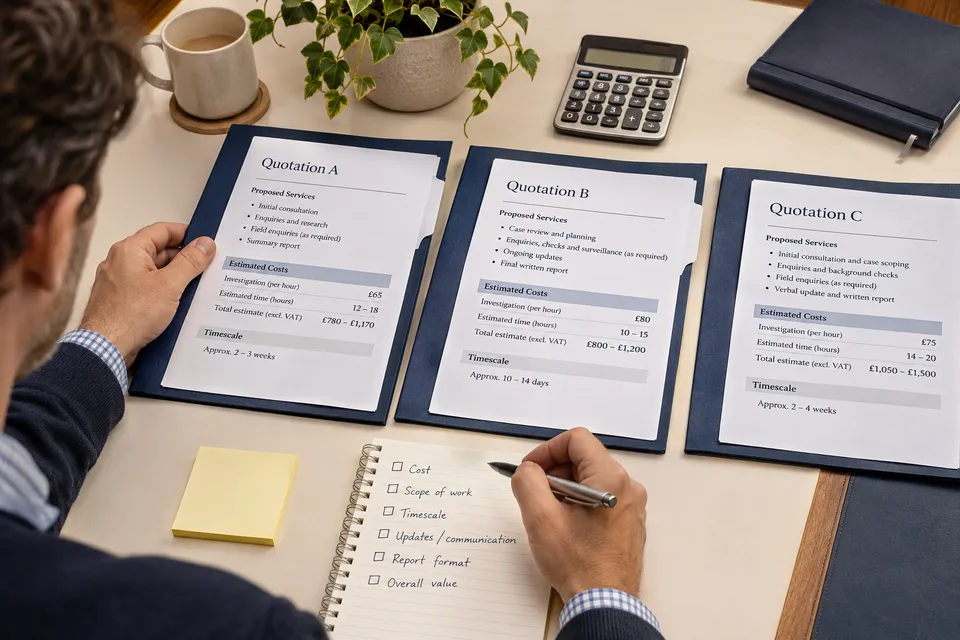
Compare investigation quotes with confidence. Check the work included, investigator time, travel, reports and the circumstances that could affect the price.
Read the Guide
A photo can be genuine but used with a false story. We explain image searches, context checks and the limits of deciding identity from a picture alone.
Read the Guide
Learn what a process server records, how attempts and delivery are documented and why the required proof depends on the papers and applicable court rules.
Read the Guide
Original context can be lost surprisingly easily. A few careful steps can make the information you already hold easier to assess without attempting your own intrusive investigation.
Read the Guide
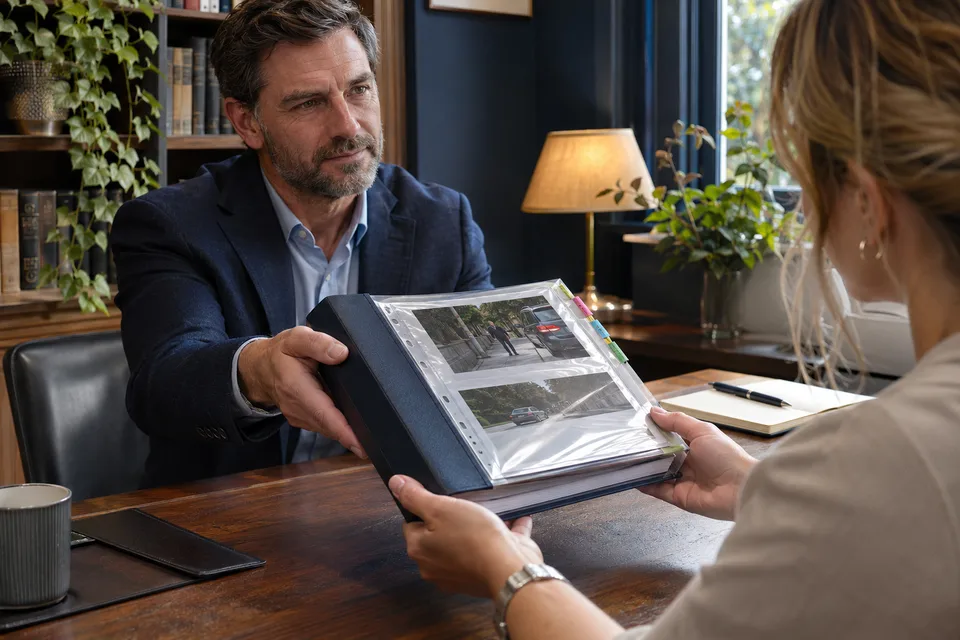
See what an investigation report can include, how findings and supporting material are explained, and what to agree with our team before work begins.
Read the Guide
Unusual contracts, invoices or supplier links need careful review. Learn how to preserve procurement records and investigate a specific concern fairly.
Read the Guide
Need an investigator quickly? Tell us the question, location and deadline. Our team will discuss availability, useful next steps and the information needed.
Read the Guide
Worried about childcare arrangements? We explain how to discuss a specific concern, the limits of observation and when safeguarding services should be involved.
Read the Guide
Need an address before serving legal papers? We explain identity checks, tracing information and how a verified lead can support the next legal step.
Read the Guide
Concerned about an online relationship involving money? Learn which messages, payment records and identity details can help assess a suspected romance scam.
Read the Guide
Your first conversation does not need a perfect file. We explain what we ask, how we discuss costs and how to agree a safe way to keep in touch.
Read the Guide
Find out what to share in your first conversation: the question, reliable dates, useful records and a safe contact method. Your initial consultation is free.
Read the Guide
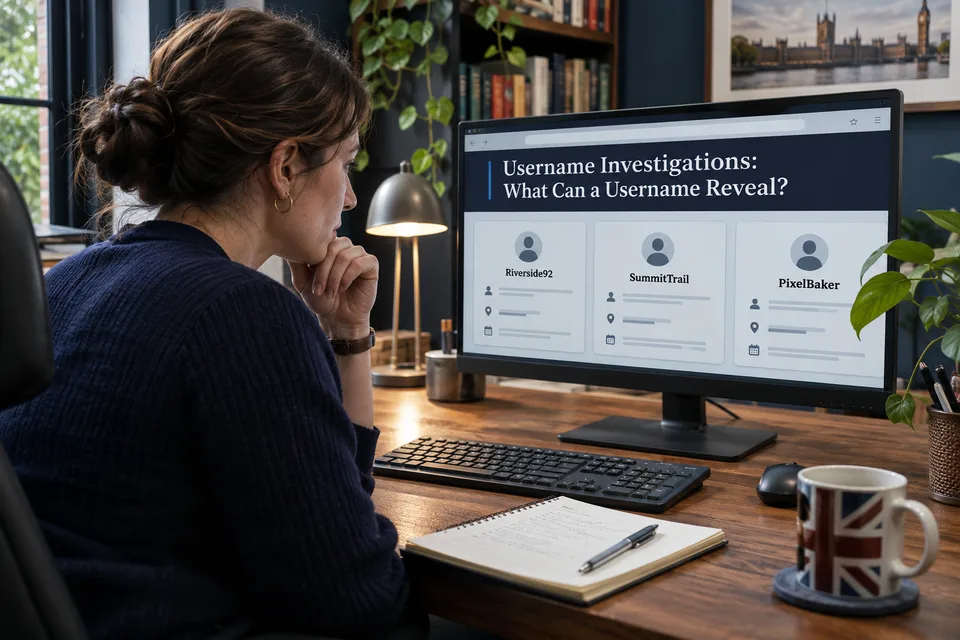
A username can lead to public profiles and possible connections. Learn how those links are assessed and why a shared name alone does not establish identity.
Read the Guide
A clear timeline helps a solicitor follow the facts. We explain how investigators organise dates, sources, gaps and supporting records for a civil dispute.
Read the Guide
Before a business deal, check who you are dealing with. We explain director records, company connections and the questions a background check can address.
Read the Guide
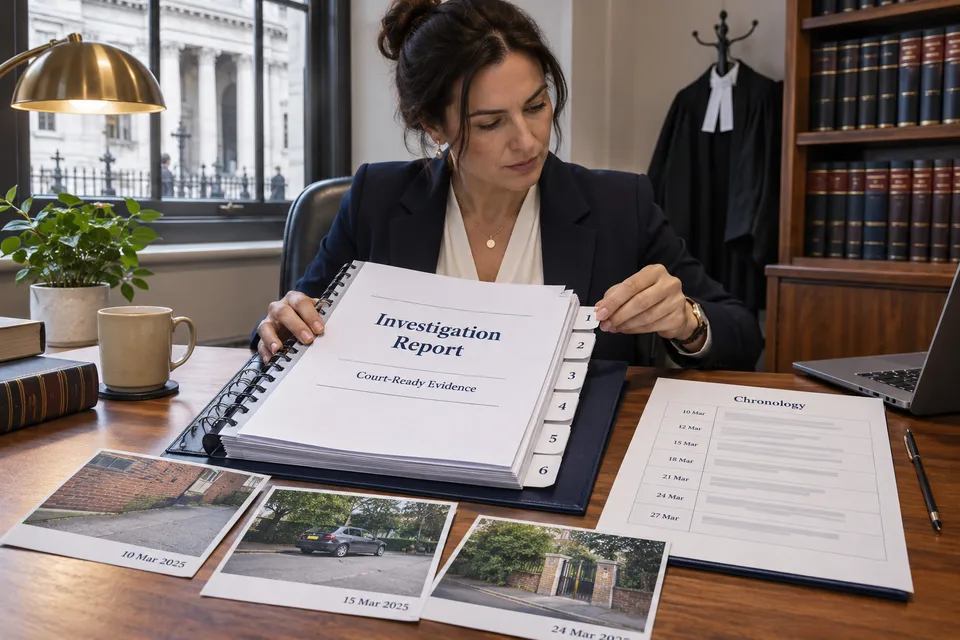
A useful legal investigation report explains methods, sources, dates and findings. Learn what to request and why no report can guarantee court acceptance.
Read the Guide
Understand each stage of a private investigation, from your first conversation and agreed fees to updates, evidence and the findings in your final report.
Read the Guide
Before meeting someone from a dating app, understand which identity details can be checked, how inconsistencies are assessed and what a check cannot guarantee.
Read the Guide
Learn which records can support asset tracing for a civil claim, how investigators assess possible ownership and why identifying assets differs from recovery.
Read the Guide
Compare fixed-fee and hourly investigations. We explain what to check in a quote, how expenses are handled and when additional work needs your agreement.
Read the Guide
A phone number may provide leads, but it does not prove who is using it. We explain the checks available and the limits on private subscriber information.
Read the Guide
Sickness absence concerns need a fair, careful response. We explain relevant evidence, appropriate checks and why an activity alone may not prove dishonesty.
Read the Guide
Can documents be served at a workplace? Our guide explains why the type of papers, applicable rules and practical arrangements must be checked first.
Read the Guide
Before acting on concerns about a competing job, check the facts. We explain contracts, potential conflicts, evidence and a fair approach to investigation.
Read the Guide
Choose a safe way to discuss your concern with Trojan Investigations. We explain telephone, email and enquiry options, including how we should reply.
Read the Guide
Learn how an investigator may help organise evidence of unwanted contact, where the limits lie and why urgent threats should be reported to the police.
Read the Guide
Need to locate a beneficiary for an estate? We explain starting information, identity checks and how tracing findings can help the executor or solicitor.
Read the Guide
We explain what affects matrimonial surveillance costs, from investigator time and travel to reporting, so you know what to ask before booking.
Read the Guide
Prepare for an investigation with a clear question, reliable details and safe contact arrangements. We explain what to share before any work is agreed.
Read the Guide
Discuss an enquiry involving people, companies or records outside the UK. We explain practical arrangements, local requirements and the information needed.
Read the Guide
Images, audio and video can be manipulated. Learn how sources, original files and independent checks help assess suspected deepfakes and impersonation fraud.
Read the Guide
Avoided service can affect deadlines and the next legal step. Learn how attempts are recorded and why your solicitor may need to consider court directions.
Read the Guide
Suspect a company vehicle is being misused? Learn how policies, journey records and properly authorised checks help establish what happened and why.
Read the Guide
A debtor’s old address may no longer be useful. We explain how a trace checks identity and possible new addresses before the next lawful recovery step.
Read the Guide
We explain what cohabitation enquiries may establish, how observations need context and why a visit or overnight stay is not proof of a settled arrangement.
Read the Guide
Need to locate a director for a legal matter? Learn how identity, company records and address checks help distinguish a useful lead from an outdated listing.
Read the Guide
The right surveillance staffing depends on movement, location and the question being checked. We explain the practical differences and how they affect costs.
Read the Guide
An email address may offer useful leads. We explain public-source checks, message evidence and why an apparent connection still needs independent verification.
Read the Guide
From agreeing the work to receiving your report, we explain what happens after you hire an investigator and how updates, costs and changes are handled.
Read the Guide
We explain how investigators help solicitors locate potential witnesses, check identity and contact details, and report findings without influencing evidence.
Read the Guide
Questionable expenses need more than an assumption. Learn how claims, receipts, dates and explanations can be checked as part of a fair investigation.
Read the Guide
We explain what relationship surveillance may establish about meetings, how identification is assessed and why observed contact does not prove infidelity.
Read the Guide
A former tenant has moved and still owes money. We explain how tracing can help verify an address, what information is needed and what happens next.
Read the Guide
Not sure someone online is who they claim to be? We explain identity inconsistencies, photo checks and the evidence that can help assess a suspected catfish.
Read the Guide
Can investigation findings help a court case? We explain lawful collection, reliable records and why your solicitor and the court assess how evidence is used.
Read the Guide
Concerned about an employee’s second job? We explain why contracts, working patterns, evidence and fair procedures matter before drawing a conclusion.
Read the Guide
We explain what relationship surveillance may record, how photographs and observations are reported and why evidence must be separated from assumptions.
Read the Guide
Learn how an investigator can assess a possible current address, what information supports a trace and why a match must be checked before it is relied on.
Read the Guide
What affects the price of a private investigator? We explain research, surveillance, staffing, travel and reports so you can compare quotes with confidence.
Read the Guide
A suspicious profile is not enough to identify its owner. We explain image checks, public information and the evidence needed to assess possible links.
Read the Guide
Fraudsters often exploit trust rather than technology. Learn how impersonation and persuasion work, which evidence to keep and how concerns can be investigated.
Read the Guide
Concerned that business data has been taken? We explain preserving access records, arranging authorised checks and separating evidence from suspicion.
Read the Guide
What can be checked in a WhatsApp enquiry? We explain the value of messages you lawfully hold and the limits on access to another person’s account.
Read the Guide
Unexpected invoices or supplier connections can raise concerns. We explain how to review records, test explanations and investigate possible supply chain fraud.
Read the Guide
Busy streets and rural locations create different surveillance challenges. Learn how routes, visibility, staffing and travel affect planning and cost.
Read the Guide
Looking for a relative you have lost touch with? We explain useful starting details, identity checks and the importance of respecting the person’s wishes.
Read the Guide
Surveillance time depends on the question, location and activity observed. We explain planning, useful observation periods and why results cannot be timed exactly.
Read the Guide
Missing stock or money needs a careful investigation. We explain how to preserve records, assess the concern and gather evidence without jumping to conclusions.
Read the Guide
Social media activity can raise questions without proving infidelity. We explain how to view online clues in context and avoid relying on assumptions.
Read the Guide
Names, former addresses and reliable dates can make a people trace more focused. Find out what to share, what to verify and how to explain the reason for contact.
Read the Guide
Understand the work a private investigator can carry out in the UK, from research to surveillance, and the privacy and access limits that still apply.
Read the Guide
An IP address is not a person’s precise location or identity. We explain what technical information may show and the limits on obtaining subscriber details.
Read the Guide
Learn how a private missing person enquiry begins, which details help establish leads and how privacy, consent and police involvement affect the work.
Read the Guide
Changes in behaviour can raise questions without proving a double life. We explain how to approach relationship concerns and separate suspicion from facts.
Read the Guide
Relationship concerns can be difficult to discuss. We explain matrimonial investigations, the evidence that may help and what to ask before deciding to proceed.
Read the Guide
Understand what a background check can establish, how the purpose affects suitable checks and why accurate identity matching and privacy matter.
Read the Guide
Learn how investigators assess company connections, public records and inconsistencies to help a business make a better-informed decision before a commitment.
Read the Guide
We explain how investigators support insurance enquiries through records, observations and reporting, and why evidence must be considered in context.
Read the Guide
Suspected account misuse or data loss needs careful handling. Learn how an investigation can help establish what happened and when specialist support is needed.
Read the Guide
Reliable evidence needs careful collection and a clear record of its source. We explain how investigation findings can support a solicitor’s assessment.
Read the Guide
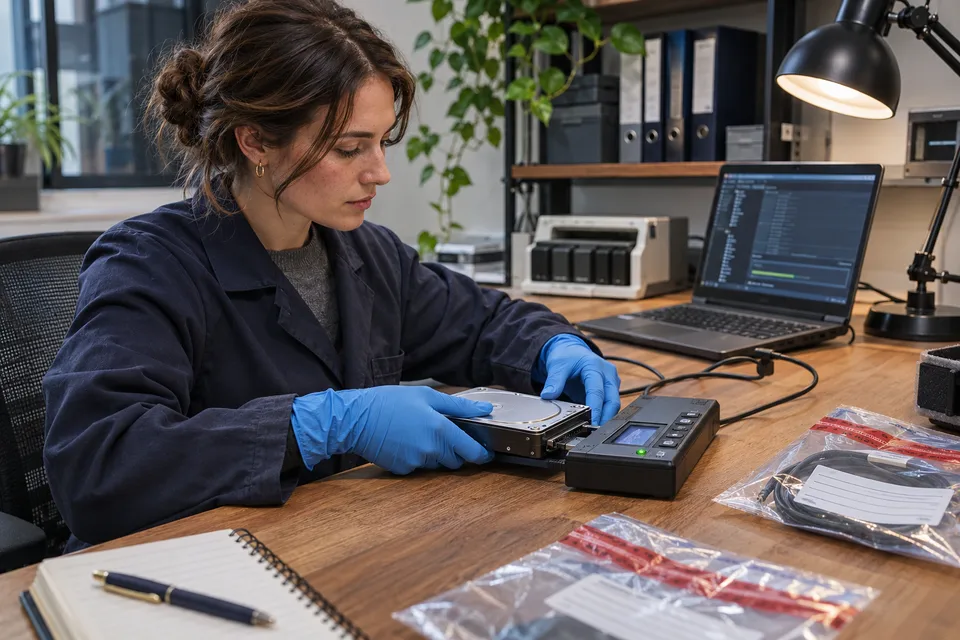
Digital records can help explain what happened. We look at authorised access, evidence preservation and the role of specialist forensic examination.
Read the Guide
Understand how process serving works, what information a server needs and why the document type, deadlines and proof of service must be agreed in advance.
Read the Guide
Investigating across borders involves different laws, records and working arrangements. Learn what we consider when planning an international enquiry.
Read the Guide
What makes surveillance useful? We explain how preparation, observation and accurate reporting help establish facts while respecting the limits of the work.
Read the Guide
Suspect your business material has been copied or misused? We explain evidence preservation, factual enquiries and how findings can support your legal adviser.
Read the Guide
We explain the limited role of private investigation in child arrangements matters, the importance of welfare and working with the appropriate legal advisers.
Read the Guide
An investigation should address a useful factual question. We explain the role of tracing, research and observation in divorce-related matters and their limits.
Read the Guide
Online fraud or impersonation can leave a confusing trail. Learn what an investigator may check, how to preserve evidence and when to report the issue.
Read the Guide
Hiring checks should be relevant, fair and properly authorised. We explain identity, employment and reference checks, including limits on sensitive information.
Read the Guide
Technology has changed how observations are recorded, but planning and judgement still matter. We explain modern surveillance and its practical limits.
Read the Guide
Before committing to a deal, understand the people and business involved. We explain useful due diligence checks, reporting and the limits of available records.
Read the Guide

A fair workplace investigation needs reliable records, careful interviews and clear reporting. Learn how we can help examine harassment and bullying concerns.
Read the Guide
Concerned about business information reaching the wrong people? Learn how to recognise warning signs, preserve evidence and plan a focused investigation.
Read the Guide

From tracing people to checking records, we explain how private investigators support solicitors and why clear instructions and reliable reporting matter.
Read the Guide
Discretion affects how we communicate, plan enquiries and handle findings. Learn what to discuss before an investigation and how to arrange safe contact.
Read the Guide

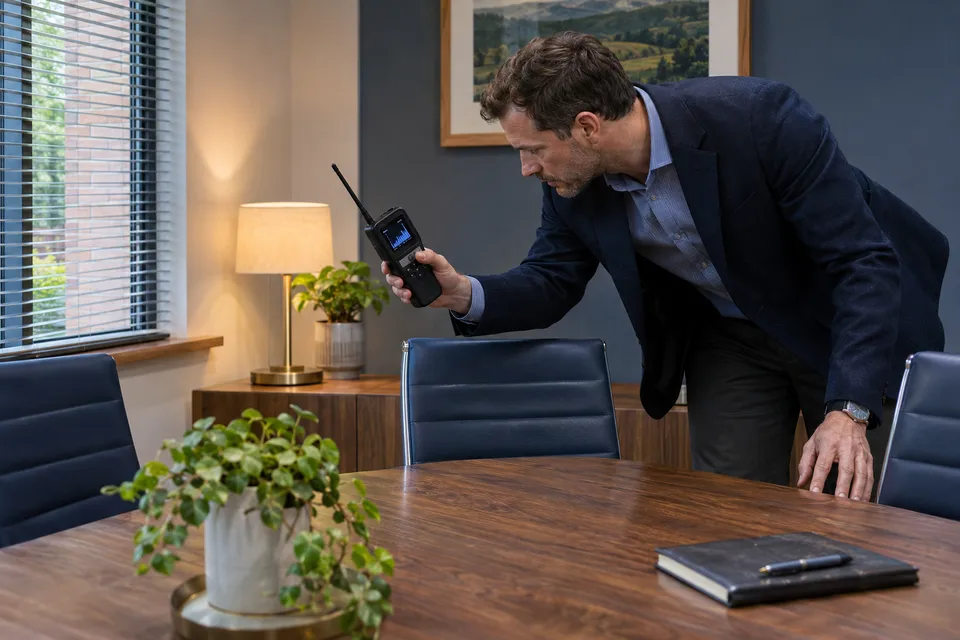
Concerned about unwanted observation? We explain how to discuss the concern, assess the available evidence and understand what counter-surveillance can offer.
Read the Guide

What can a private investigator really do? We separate common myths from the practical work, legal limits and evidence an investigation can provide.
Read the Guide

Suspect a scam? Learn which records to keep, how an investigation can assess the facts and why early reporting and payment-provider contact can matter.
Read the GuideVehicle ownership alone does not settle every tracking question. We explain the privacy, authority and purpose checks to consider before using GPS tracking.
Read the Guide

Understand the steps in a missing person enquiry, the information that helps and the limits of private tracing. Immediate safety concerns need police help.
Read the Guide

Employee monitoring needs a clear purpose and careful handling. Our guide considers privacy, workplace policies, suitable methods and the meaning of findings.
Read the Guide

An inconsistency is a starting point, not proof of fraud. We explain how records, observation and alternative explanations are assessed in an insurance enquiry.
Read the Guide
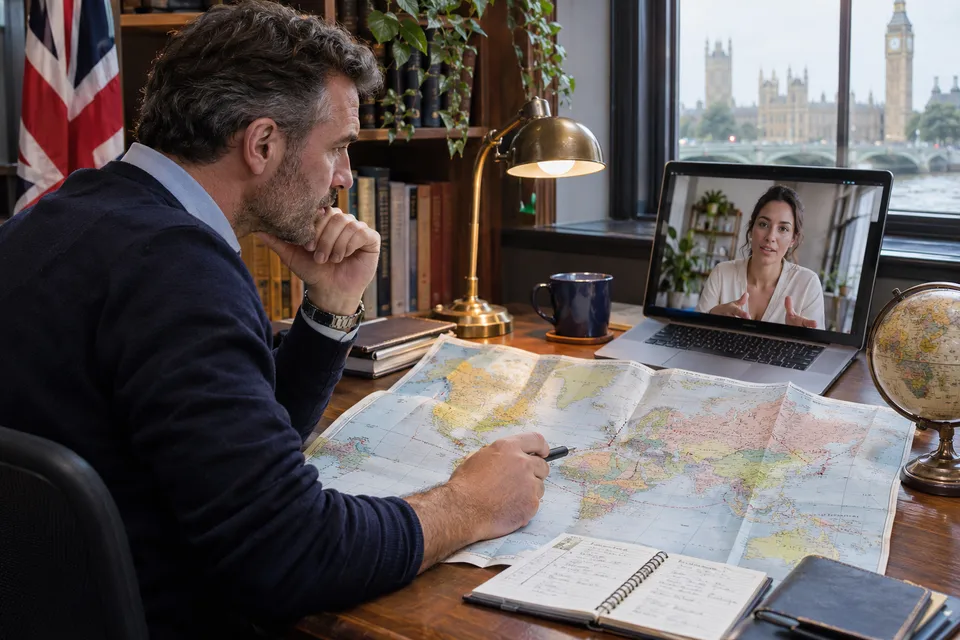
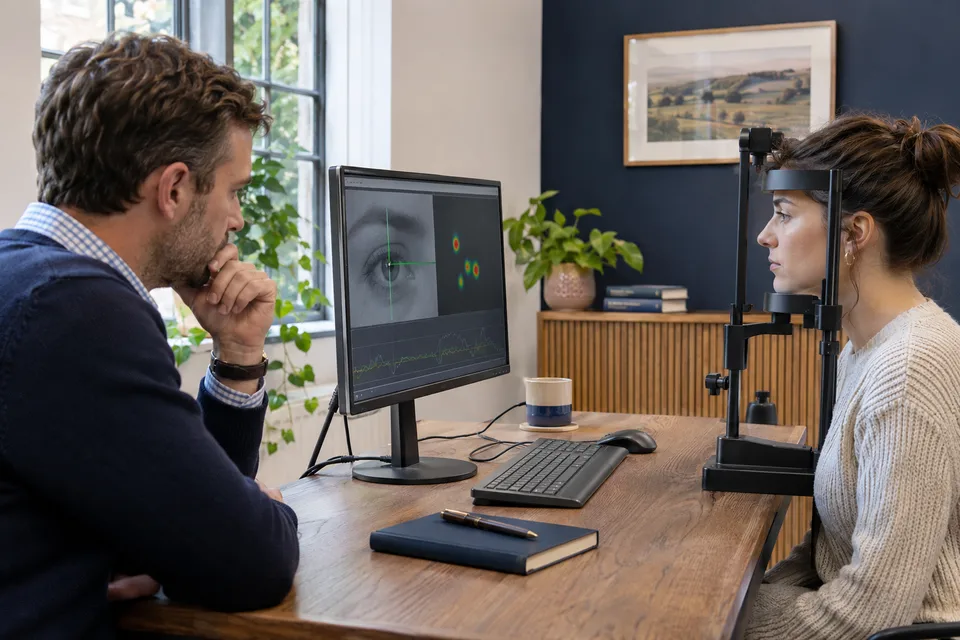
Understand how lie detection tests work, what can affect the findings and why a result needs careful interpretation before you make a decision.
Read the Guide

Know what to ask before hiring a private investigator: relevant experience, clear fees, privacy, lawful methods and the report you can expect to receive.
Read the GuideTell us what has happened. We will listen, explain the options and help you decide whether an investigation is the right next step.