To trace a beneficiary or heir in the UK, establish the estate and the legal reason for the search, reconstruct the correct family relationship or named gift, check authoritative records, and verify the living person before any contact or distribution. A familiar surname, an old address or a family-tree match is a lead, not proof of entitlement. Executors and administrators should work with their probate solicitor where necessary, particularly if the estate is complex or an individual cannot be located.
At Trojan Investigations , we approach beneficiary tracing as a documented identity and relationship enquiry. The purpose may be to contact someone named in a will, locate an entitled relative where there is no valid will, or establish whether an apparently missing person is living or deceased. The work must preserve accuracy, privacy and the estate's legitimate interests.
What Information Is Needed to Find an Heir or Beneficiary?
A search normally starts with a legally grounded instruction and a small number of reliable identifiers. The most useful information is often historical rather than a recent mobile number.
- The deceased person's full name, death date, last address and jurisdiction.
- A copy or verified account of the relevant will, grant or intestacy question.
- The beneficiary's full and former names, approximate age and last reliable address.
- Known parents, siblings, spouses, civil partners, children or family branches.
- Birth, marriage, adoption and death certificates where lawfully held or available.
- Previous attempts to make contact, including returned letters and documented enquiries.
- The solicitor or personal representative responsible for deciding entitlement and communication.
Beneficiary and Heir Do Not Mean Exactly the Same Thing
A beneficiary may be named in a valid will. An heir or entitled relative may instead arise under the applicable intestacy rules when a person dies without a valid will, or when a gift or part of an estate cannot be distributed as expected. The rules depend on the law that governs the estate and the family circumstances. Someone described informally as an "heir" is not automatically legally entitled to receive money.
For instance, a will may leave a particular gift to a named friend even though that person would not inherit under intestacy. Conversely, a deceased person without a will may have relatives whose entitlement depends on a precise family relationship and which other relatives survived. An investigator gathers factual evidence; a probate lawyer interprets legal entitlement.
Who Usually Instructs a Beneficiary Trace?
A personal representative administering an estate, an executor, an administrator, a probate solicitor or another person with a demonstrable legitimate role may need a trace. An alleged relative asking for someone's address without a clear reason is not the same instruction. We would check the client's authority, identify the estate and agree what information is necessary to establish a verified contact.
Tracing may also assist when an old will uses a former name, a beneficiary emigrated decades ago, multiple relatives have identical names, a family line is incomplete or someone named in a document is believed to have died. Those questions are handled through our personal investigation enquiries where there is a legitimate purpose and appropriate safeguards.
Start with the Will, Grant and Estate Records
For England and Wales, the HMCTS probate-search service can help establish whether a grant has been issued and, in relevant cases, obtain a will. A recent death may not yet have a searchable grant. The service distinguishes grants that include wills from grants of administration without a will, and the applicable fees should be checked when requesting records.
A search of a probate record is not a search for every living beneficiary's present address. It provides a starting point: the correct deceased person, names recorded in documents, jurisdiction and an estate chronology. Never assume that every name found in a similar estate belongs to the right family.
| Record or source | What it may establish | What still needs checking |
|---|---|---|
| Will and grant of representation | Names, capacities and evidence that probate has been granted | Current identity, survival and entitlement where ambiguous |
| Birth and marriage records | Parentage, name changes and family relationships | Whether the record belongs to the correct individual |
| Death registers and certificates | Whether a potential beneficiary may have died | Whether a later estate or descendants must be considered |
| Historic census and archived sources | Family structure, locations and generations | Gaps, transcription mistakes and time differences |
| Public company or professional records | A possible current association or identity clue | Whether it is current and independently linked to the person |
| Lawfully accessible address sources | A lead for discreet contact or verification | Accuracy, suitability for disclosure and data-protection obligations |
| Bona Vacantia list | A referred unclaimed-estate entry within its stated limited fields | Actual entitlement and evidence supporting the family connection |
Build the Family Tree Backwards and Forwards
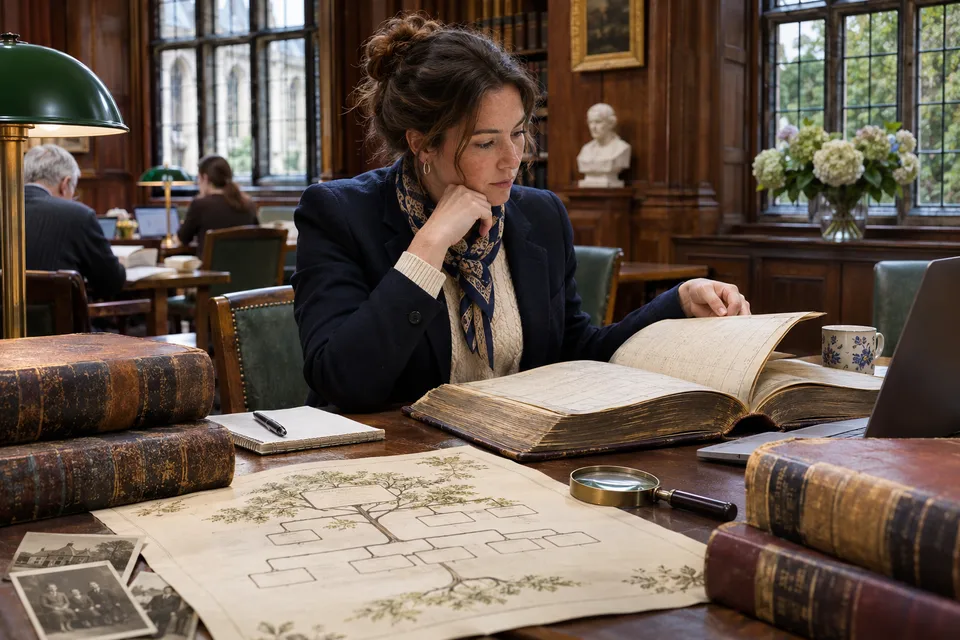
A good genealogical search often begins with the deceased and moves towards the missing branch. Names of parents, dates of birth, children and changes after marriage can narrow the possibilities. From there we trace forwards using trustworthy records rather than leaping from an old family tree to someone with a matching modern social profile.
It is common for families to have multiple people with similar names, especially across generations. A person may use a middle name, adopt a new surname, live overseas or appear with different spellings in older documents. Each asserted relationship should be supported by a record or clearly labelled as provisional. A neat-looking family diagram is not proof by itself.
What If the Beneficiary Has Changed Their Name?
Name changes can arise from marriage, civil partnership, divorce, adoption, deed poll or ordinary usage. Where a trace depends on a former name, we look for a lawful documentary bridge between identities and record uncertainties. Not every name-change document is publicly available, and searching for one does not confer a right to someone's private information.
Care is particularly important where an adoption or family estrangement is involved. A seemingly simple attempt to reunite relatives may have safeguarding consequences. The estate's legal requirement to identify an entitled person does not justify a public announcement of sensitive personal history.
Tracing a Beneficiary Who Has Moved Abroad
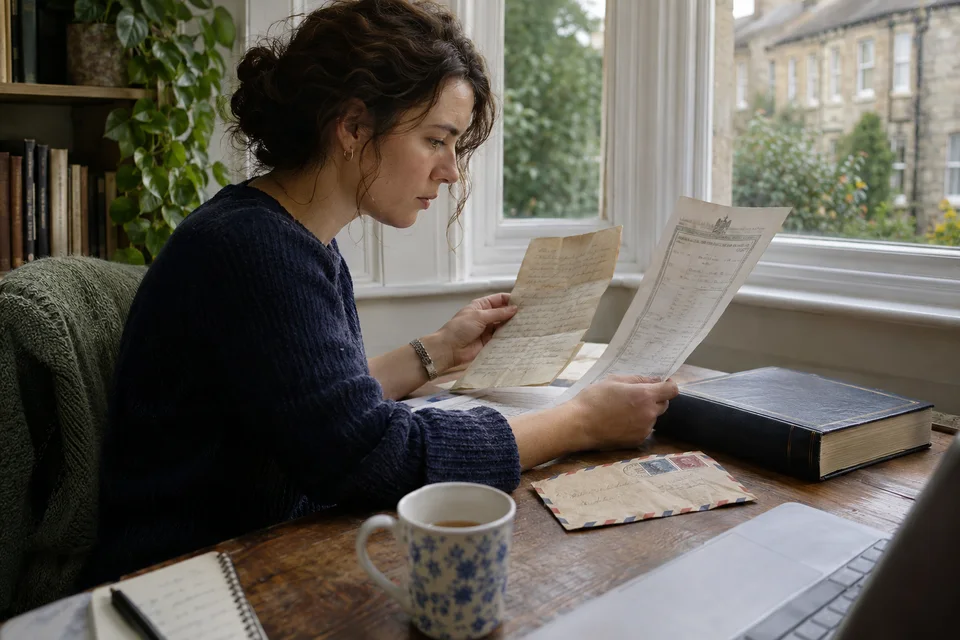
Overseas movement may be suggested by previous family letters, addresses, historic passenger information or verified public records. Local laws, privacy practices and access to official registers vary. Where a foreign record is important, we may need an appropriately authorised local enquiry or a reliable translated document.
A UK client should not assume that an overseas phone number gives a live location or that a foreign database can be purchased without legal checks. Any international transfer of personal information must be assessed, and the evidence needs to be useful to the estate lawyer, not merely interesting.
A Private Investigator Cannot Decide Inheritance Rights
Whether a person inherits under a will, the intestacy rules, a failed gift, a trust or the law of another UK jurisdiction is a legal question. We can document identities, family connections and attempted contact, but we do not grant probate, determine beneficial shares, distribute the estate or give a guarantee of entitlement. A personal representative should seek legal advice where there is uncertainty.
The Bona Vacantia List Is a Specific Route, Not a Universal Register
An estate without a will or known eligible relatives may be referred to the appropriate body dealing with ownerless property. In England and Wales, the Government Legal Department's Bona Vacantia Division is relevant subject to jurisdictional exceptions, including the Duchies. Scotland and Northern Ireland have different arrangements.
In January 2026, the Government Legal Department reinstated its unclaimed-estates list after a review, limiting the public fields to name, date of death, area of death and case reference. That means an enquiry based on an older screenshot or an unofficial copied list may contain details no longer publicly confirmed. Finding a name on the list does not prove that the enquirer is related or entitled.
Be Cautious About Unsolicited Inheritance Claims or Fees
Unexpected messages claiming that you are due a large estate can be fraudulent. Verify the solicitor or firm independently before sharing identity documents, bank details or paying an unexplained advance fee. A genealogical lead is not a guarantee of inheritance, and nobody should feel pressured into signing an agreement before understanding the terms.
How Do Investigators Confirm the Right Person Has Been Found?
We look for a combination of independently supported details rather than rely on a name and postcode. Birth date or age band, historic addresses, family connections, previous names, a documented record chain and appropriate confirmation from the person may all matter. The degree of certainty required depends on whether the result is being used simply to invite a reply or to support estate distribution.
A report should distinguish "possible match", "strongly supported identity" and "confirmed through documented evidence". It should also record false leads. If two people share the same name, we should not silently choose one because the address happens to be nearer the deceased's last home.
What an Executor or Solicitor Should Prepare
- The deceased's name, date of death, last address and estate jurisdiction.
- The will, grant or details of the intestacy issue that creates the search.
- The missing person's name and every known former surname or spelling.
- Known family relationships, dates and locations, with their sources.
- Relevant birth, marriage, death or adoption documents lawfully available.
- Previous contact attempts and reasons to believe an address is outdated.
- Any deadline, court timetable or planned estate-distribution decision.
- The client's authority to instruct and a safe, approved route for contact.
A Five-Stage Beneficiary-Tracing Process
1. Confirm Authority and the Legal Question
We check the estate reference, identity of the instructing party and what factual question the personal representative or solicitor needs answered.
2. Reconstruct the Documented Family or Named-Gift Line
We organise trusted records, names, dates and relationship links, noting disputed or missing documents.
3. Generate and Verify Current Leads
Lawful record checks identify possible people or addresses; corroboration reduces mistaken identity and privacy risks.
4. Arrange Proportionate Contact Where Appropriate
The content and route of any approach are agreed with the client and the estate's advisers, without implying that the investigator can grant an inheritance.
5. Report Findings and Outstanding Gaps
The client receives a dated evidence trail, verified findings, unsuccessful leads and specific questions requiring legal determination.
What If the Beneficiary Is Deceased or Cannot Be Contacted?
A deceased beneficiary may raise further questions about whether their interest passed to another estate or whether a particular gift failed; these answers depend on the relevant documents and law. An investigator can research death and family connections, while the personal representative's solicitor decides what follows. A person living but not responding is a different issue from a person who cannot be identified.
If substantial reasonable enquiries still fail, the estate adviser may discuss legally appropriate options, possible court directions or protection arrangements. Those are not matters that an investigator should prescribe as universal solutions. Our legal investigation support is intended to provide documented factual material for the professional making those decisions.
Respecting the Beneficiary's Privacy and Choice
A person may have deliberately lost contact with family for personal reasons. That does not cancel a valid estate obligation, but it affects how information should be handled. The aim should be to communicate a legitimate estate matter safely, not disclose a private address to estranged relatives or insist that a beneficiary rebuild a relationship.
We limit collection to what the task needs, protect identity documents, control report access and explain where uncertainty remains. The ICO's legitimate-interests guidance requires a purpose, necessity and balancing assessment when that lawful basis is used. In some cases, an intermediary approach that lets the person respond voluntarily is more appropriate than broad disclosure.
A Good Trace Verifies More Than an Address
The strongest result is a defensible record showing why the right individual has been identified, which family or testamentary connection is relevant, what contact was attempted and what has not yet been established. This can protect both the estate and the person being approached from an avoidable identity error.
When to Seek Professional Tracing Assistance
A professional enquiry is most useful when records conflict, the family line spans generations, there are name changes or international movements, important dates are uncertain, or the solicitor requires a traceable evidence report. A simple recent address change may not justify a lengthy investigation. The work covered and budget should follow the actual difficulty.
If you are administering an estate and need a reliable identity or contact enquiry, you can learn about our approach at Trojan Investigations and book a confidential consultation . We can identify what factual research is appropriate and where probate advice should come first.
Frequently Asked Questions About Tracing a Beneficiary or Heir
Answers about missing heirs, probate records, intestacy, Bona Vacantia, identity checks and responsible contact.
Can a Private Investigator Find a Missing Heir in the UK?
A lawful enquiry can identify family links, test records and potentially establish a current contact route. Results depend on source quality, available identifiers and privacy considerations; a positive trace cannot be guaranteed.
What Is the Difference Between an Heir and a Beneficiary?
A beneficiary may be named in a will; an heir or entitled relative may inherit under applicable intestacy rules. A solicitor should interpret the exact entitlement in the estate.
Who Can Instruct a Beneficiary Trace?
Typically an executor, administrator, probate solicitor or other person with a legitimate evidenced role. We would check the authority and purpose before processing sensitive family information.
Can You Trace Someone Using Only a Surname?
Sometimes a surname can start historical research, but it is rarely sufficient to identify one living person reliably. Names, generations and jurisdictions must be corroborated.
Will Companies House or Probate Records Show a Current Address?
Records may provide leads, but not necessarily an accurate private residential address. Access, relevance and data-protection limits apply.
Can You Find a Beneficiary Who Emigrated?
Cross-border research may be possible, but overseas rules, record accessibility and data-transfer requirements vary. Not every case justifies international fieldwork.
What If the Missing Beneficiary Has Married and Changed Name?
Marriage and other lawful records may help establish a documented identity bridge. We verify the person through multiple details rather than assuming all matching names belong to one individual.
What If the Person Named in the Will Has Died?
This creates potential questions about the gift or subsequent estate. Investigators can research the factual record, but the legal effect must be decided by the estate's solicitor.
Is the Bona Vacantia List a Complete List of Inheritances?
No. It covers certain estates referred to the relevant authorities, not every unclaimed gift or every probate case. The public information was restricted when the list was reinstated in January 2026.
Can a Person Inherit If They Were Estranged from the Deceased?
Estrangement does not answer legal entitlement by itself. A valid will or applicable succession rules must be considered, with advice if there is a dispute.
Can You Force a Beneficiary to Respond?
No. We cannot compel a person to meet relatives or respond to a private investigator. The estate's legal representatives decide what steps are appropriate if contact fails.
Do Heirs Have to Pay a Tracing Company Upfront?
Any private fee arrangement should be transparent and independently checked. Beware unsolicited demands for payment or identity data tied to an unverified inheritance claim.
How Do You Verify the Right Person?
By matching independent documentary facts such as dates, family relationships, former names and credible contact information. A name or photograph alone is not sufficient.
Can a Report Be Used by a Probate Solicitor?
It can assist by recording source records, verified identity links, attempts at contact, gaps and limitations. A solicitor remains responsible for advice about legal entitlement and estate administration.
What Should an Executor Send Before the First Consultation?
A copy or summary of the will or intestacy issue, deceased's details, the proposed beneficiary's known identifiers, available family-tree evidence, authority to instruct and any estate deadline.
Not Sure Where to Start?
Tell us what happened and what you need to establish. We’ll discuss the options before you decide.
BOOK A FREE CONSULTATION