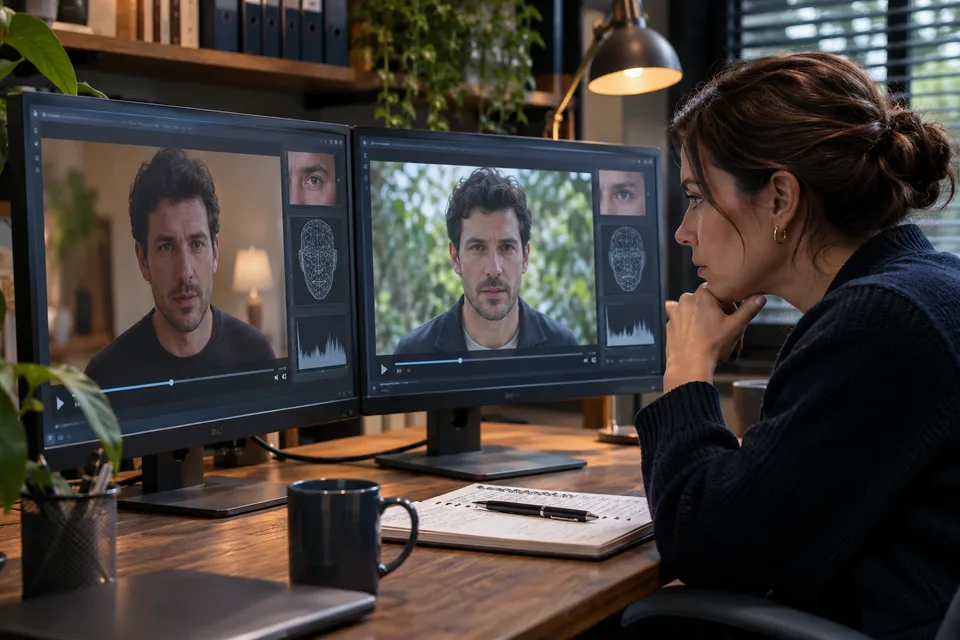
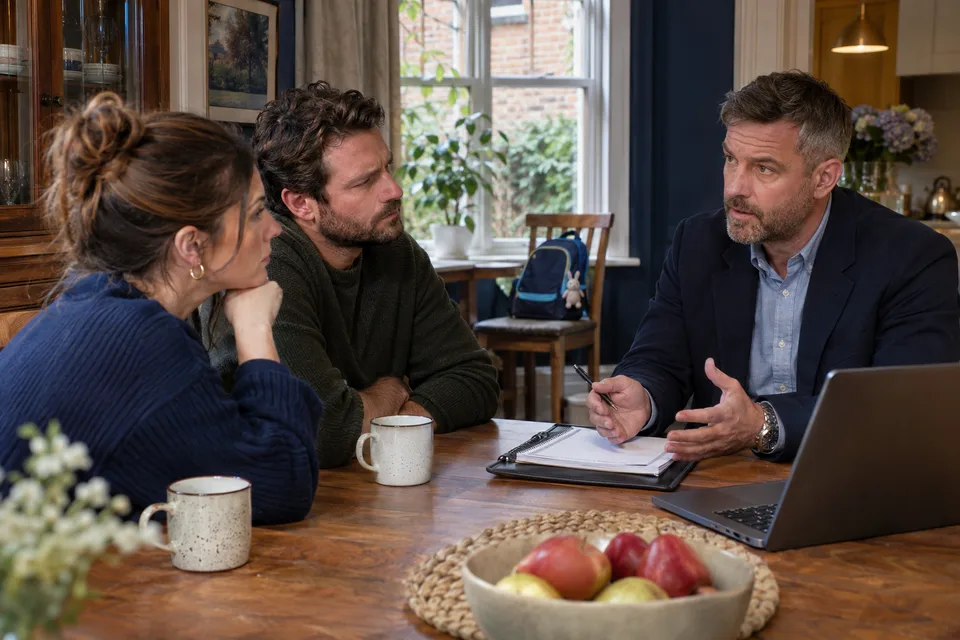
A nanny-watch investigation may help a parent clarify a specific concern about a child’s care, but immediate safeguarding always comes first. Where there is a genuine risk of abuse, neglect or injury, do not wait for surveillance to produce proof: ensure the child is safe and contact the police or local authority children’s services. Independent evidence gathering can sometimes clarify a disputed routine or incident afterwards, but it must be carefully work coveredd, lawful and protective of the child’s privacy.
At Trojan Investigations , we understand that concerns about a nanny, au pair, childminder or other carer can be upsetting. A responsible enquiry starts by distinguishing an urgent safety risk from an employment disagreement or a question about agreed childcare arrangements. Our role is to establish relevant facts where an appropriate private investigation is possible, not to replace children’s services, police or a safeguarding assessment.
What Should Parents Do When They Suspect a Serious Childcare Problem?
Your first decision is about the child, not the investigation. If the child is in immediate danger, call 999. If abuse or neglect is suspected but there is no immediate danger, contact the local council’s children’s social care team or police on 101. You do not have to be certain before reporting a concern.
- Make sure a child is safe and appropriately cared for now.
- Write down what you observed and when, keeping the child’s own words separate from your interpretation.
- Preserve relevant messages, care logs and existing lawful records without editing them.
- Tell the appropriate safeguarding authority where there is suspected harm.
- Avoid repeatedly questioning a child, staging a confrontation or asking them to gather evidence.
- Consider an independent fact-finding enquiry only after safety and reporting duties are addressed.
What Does “nanny Watch” Actually Mean?
The term is informal. It may describe reviewing childcare records, independently corroborating an event, establishing whether a contracted collection time was followed, or assessing a defined allegation about care. It should not be taken to mean that a private detective can secretly monitor all aspects of a family home, listen to private conversations or treat a child as part of an operation. A case that involves suspected harm is primarily a safeguarding concern.
A household employment arrangement also carries responsibilities. Parents may be employers and may have contractual obligations, insurance considerations and data-protection duties. A professional should explain which methods are off limits and when it is safer for an independent authority to lead. Our personal investigation services start with that assessment rather than a presumption that filming is necessary.

Concerns That May Justify Clarifying the Facts
Common worries include unexplained changes to a child’s routine, repeated late collections, disagreements over where the child was taken, conflicting accounts of an incident, missed medication instructions, unauthorised visitors or a carer’s apparent failure to follow an agreed safety plan. Many of these matters can be resolved through direct discussion, an employment review or records already available to the parents.
A tired or upset child, ordinary injury, change in sleep pattern or reluctance to go to childcare may have numerous explanations. Those signs are worth responding to sensitively, but they do not automatically prove neglect or abuse. The right response depends on the nature, urgency and credibility of the concern, with safeguarding advice where appropriate.
| Concern | Appropriate first response | What independent fact-finding may add |
|---|---|---|
| Immediate risk of harm or credible abuse allegation | Keep the child safe; contact police or children’s services | Preservation of existing records where directed, not a substitute for official action |
| Disputed pick-up or drop-off times | Check agreed schedule, logs and carer explanation | Chronology of records and objectively verifiable timings |
| Unexplained visitors or changes in approved carers | Clarify the agreement and immediate safety implications | Corroboration from existing lawful records or appropriate witnesses |
| Concern about outings or transport | Check permissions, safety plan and factual account | Limited verification of a defined disputed journey where lawful |
| Conflict about duties or household rules | Discuss contract and expectations; document incidents | Neutral summary where accounts conflict |
| Missing medication or special-needs care record | Prioritise health and professional medical advice | Review of instructions, handover and contemporaneous records |
| Registered childcare provider complaint | Use provider, registration body and safeguarding channels | Organised factual material to support the complaint |
Why Safety Must Precede an Investigation
GOV.UK’s child-abuse reporting guidance says a parent need not be certain before reporting suspicion. Waiting to collect extra footage or hoping to catch a repeat incident can expose a child to unnecessary risk. Where there is an urgent medical issue, appropriate clinical care matters more than getting a photograph for a case file. Where a crime may have occurred, the police determine criminal investigation priorities.
For concerns involving a registered provider in England, Ofsted or a childminder agency may be relevant, depending on registration. Responsibility and routes differ in Wales, Scotland and Northern Ireland. An independent investigator should not imply that all nannies are Ofsted-registered or that every disagreement belongs to Ofsted. The correct regulator and safeguarding route must be established for the actual arrangement.
A Nanny Camera in Your Own Home Is Not Automatically Outside Data-Protection Law
The ICO explains that monitoring household workers, including a nanny, routinely or on an ongoing basis can bring the activity within UK GDPR—even inside a private family home. Informal one-off babysitting may be different. Families should assess transparency, necessity, lawful basis, recording work covered, security and retention before using any system. Covert employee monitoring is difficult to justify and especially sensitive where children are filmed. No recording should invade bedrooms, bathrooms or other spaces where privacy is reasonably expected.
What Information Can a Parent Lawfully Preserve?
Relevant material may include a written care plan, medication instructions, time-stamped messages, childcare invoices, drop-off records, existing home-security footage lawfully collected, a record of injuries or incidents and notes of a conversation. Keep originals where possible, including dates and full context. If video or images exist, avoid forwarding them widely or posting them online; this may breach a child’s privacy and damage a professional enquiry.
If the child says something worrying, note their words faithfully, the setting and the time. Do not ask leading questions, promise secrecy, repeatedly seek a detailed account or ask the child to test the nanny. Trained safeguarding professionals can decide how disclosures should be handled. Likewise, parents should not attempt to create an incident simply to see how the carer reacts.
Information to Organise Before Seeking Independent Advice
- An objective timeline of specific incidents, concerns and any immediate steps taken.
- The child’s age and relevant care or medical needs, shared only when necessary.
- The written childcare agreement, permissions, routines and agreed responsibilities.
- Messages, records or footage that you already lawfully hold, with source and date.
- Names of witnesses who actually saw an incident, not just those repeating a rumour.
- Details of any report to police, local authority or regulator and instructions received.
- An outline of what answer you need and how it would protect the child.
- Any ongoing custody, family-court or safeguarding restrictions requiring solicitor advice.
Can a Private Investigator Observe a Nanny in Public?
Any proposed observation must have a specific and legitimate objective. An appropriately limited enquiry might address whether a particular agreed collection occurred, but surveillance of children brings heightened safeguarding and privacy concerns. Public visibility does not mean every image should be recorded or retained. Following or repeatedly monitoring a carer or family in a way that could amount to harassment is unacceptable.
Our surveillance services are designed around necessity, proportionality and a clear stop rule. In a childcare matter the enquiry should avoid tracking a child’s wider routines, identifying uninvolved families or producing a record of sensitive locations. A parent’s wish for reassurance alone does not justify any method an investigator can technically perform.
What About Recording Conversations or Accessing a Phone?
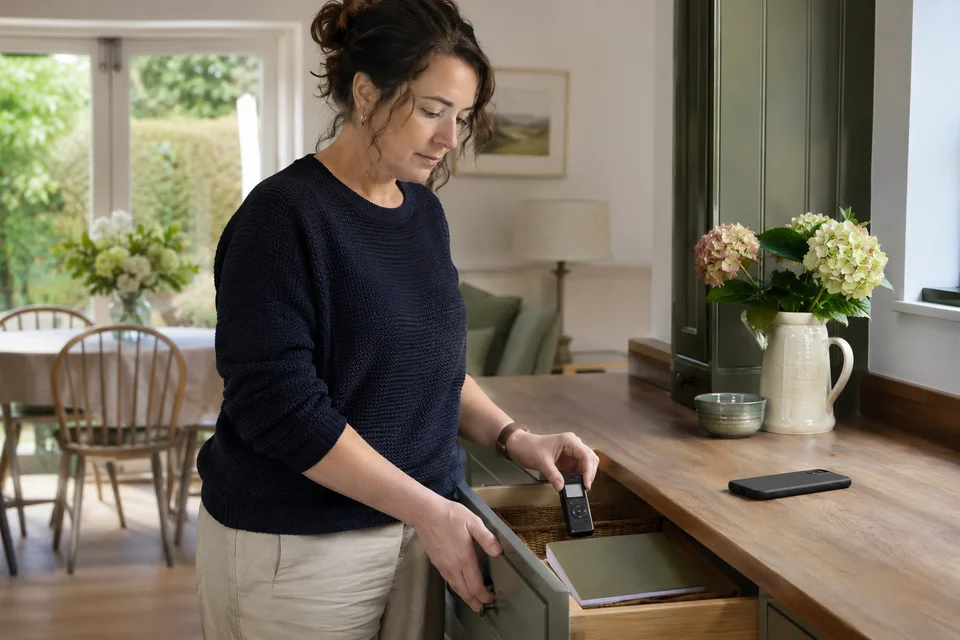
A private investigator cannot hack a nanny’s phone, read private messages, secretly activate a microphone on someone else’s device or intercept communications. Ownership of the house does not create a general right to record every private conversation in it. Audio recording often presents greater privacy concerns than ordinary visual security footage and requires separate legal consideration.
If there is already relevant communication in a parent’s own lawful account, it may be possible to preserve a complete, dated copy for advice. Preserve enough context to avoid changing the meaning. If a solicitor, police officer or safeguarding professional asks for an original item, follow their instructions about handling and sharing. Do not try to decrypt, recover or enter someone else’s protected account.
Never Use a Child as an Evidence-Gathering Tool
Do not ask a child to carry a device, make secret recordings, monitor the carer or provoke behaviour. Do not question them repeatedly to produce a preferred account. The priority is the child’s welfare and an appropriate response to any safeguarding disclosure.
How Independent Investigators Should Assess Contradictory Accounts
A neutral chronology distinguishes the fact established by a record from an inference. For example, a time-stamped text may show that a message was sent at 15:20, but it does not by itself prove when a carer reached the school gate. An old photograph may not represent the day at issue. A vehicle seen at a location says little about whether agreed child care was delivered without other context.
We also consider explanations that do not involve wrongdoing: a school changing collection arrangements, a communication failure, an authorised substitute, a traffic delay or a misunderstanding about the agreed time. The reporting question is whether independent evidence resolves the particular dispute, not whether every aspect of a carer’s personal life can be inspected.
Employment Fairness and Confidentiality Still Matter
Where the carer is a household employee, allegations may raise disciplinary, contractual and employment questions. Acas guidance encourages reasonable, fair and objective investigation rather than trying to prove guilt. A parent who employs someone directly should take appropriate HR or legal advice before making a potentially serious accusation. A safeguarding referral may have to proceed independently of employment steps.
Keep access to records restricted. Details about the child’s health, address, routine or distress should not appear in an unnecessarily broad report. The carer’s unrelated private information also requires care. Our security advice may be relevant where a household needs to review lawful access, keys, handover arrangements and practical safety controls without gathering unnecessary personal data.
What a Responsible Nanny-Watch Report Includes
If a private enquiry is appropriate, its report should identify the work covered, methods, times, source records, actual observations, limitations and what each finding does—or does not—establish. A report can also record that a line of enquiry was declined for safeguarding or privacy reasons. That is professional restraint, not incomplete service.
Conclusions should avoid labels such as “abusive” or “unsafe” where the investigator has no authority to make that formal finding. A professionally documented factual issue can be referred to safeguarding bodies, HR advisers or solicitors, who decide the appropriate next steps. Evidence integrity matters, but it should never outrank the welfare of the child.
1. Screen the Safety Issue
Check for immediate risk, determine whether police or children’s services need to be contacted and protect the child first.
2. Define the Factual Concern
Separate a specific disputed incident from general anxiety; identify care agreements and existing records.
3. Review Lawful, Minimal Evidence
Preserve source and consider whether the existing material already answers the question.
4. Assess Whether Any Further Enquiry Is Justified
Apply privacy, safeguarding, necessity and proportionality safeguards; reject intrusive or risky methods.
5. Report Carefully and Close the Case
Provide a neutral chronology, securely handle sensitive material and identify any appropriate official referral or further advice.
Prevention: Better Care Arrangements and Clear Expectations
Before care begins, parents can check references appropriately, establish written emergency contacts, set out collection rules and agree how accidents, medication, visitors and outings are reported. In England, registered nannies have specific registration and DBS requirements, but the status of a particular carer must be checked rather than assumed. A certificate is one safeguard, not a guarantee of future behaviour.
Agreeing regular check-ins and an incident-log process often prevents misunderstanding while protecting everyone. These steps may offer far more reassurance than permanent cameras. Make sure carers know how to contact the parents or emergency services and that children, where age-appropriate, know how to speak to a trusted adult about a worry.
Sometimes the Right Result Is a Safer System, Not Evidence of Wrongdoing
An enquiry may reveal unclear handover instructions, a communication gap or a record-keeping problem rather than mistreatment. Correcting those issues can improve the child’s care without making an unfounded accusation.
When to Talk to Trojan Investigations
A confidential discussion can help when you have a specific, documented childcare concern and need to understand whether any proportionate independent work is appropriate. We will screen for urgent safeguarding needs, explain legal and privacy limits and decline methods that would place a child or another person at risk.
For an appropriate, non-emergency factual question, you can book a confidential consultation . If a child may be at risk, contact the relevant safeguarding authorities first: in an emergency call 999, otherwise use local children’s services or police on 101.
Frequently Asked Questions About Nanny Watch Investigations
Safety-first answers on childcare concerns, lawful evidence, nanny cameras, UK GDPR and appropriate safeguarding referrals.
What Is a Nanny-Watch Investigation?
It is an informal description for a focused, lawful enquiry into a specific childcare concern. It may involve reviewing existing records or corroborating a disputed fact; it is not permission for indefinite covert monitoring.
What Should I Do If I Think My Nanny Is Hurting My Child?
Ensure the child is safe. Call 999 for immediate danger; otherwise report concerns to local children’s services or police on 101. You do not need to wait for private surveillance to prove abuse.
Can a Parent Legally Use CCTV to Monitor a Nanny at Home?
It depends on the arrangement and how monitoring is carried out. The ICO explains that routine or ongoing monitoring of household workers can fall within UK GDPR even inside a family home.
Are Hidden Nanny Cameras Always Legal?
No. Covert monitoring has substantial privacy and data-protection risks, particularly when used against workers or when children appear. Specific legal advice is needed; private spaces and intrusive audio raise particular concerns.
Can a Private Investigator Secretly Record the Nanny Talking?
There is no general right to record someone’s private conversations. Unlawful interception, unjustified audio surveillance and accessing private communications must be avoided.
Can an Investigator Follow a Nanny While They Care for My Child?
Only a carefully justified, lawful and safeguarding-screened observation might be considered. Monitoring a child’s routines or collecting unrelated details is not automatically appropriate.
What Evidence Should Parents Keep?
Retain relevant care instructions, dates, existing messages, incident logs, lawful records and original available footage. Record a child’s own words accurately, without repeated or leading questions.
Should I Question My Child About a Suspected Incident?
Listen calmly and record what they spontaneously say, but avoid repeated, leading or investigative questioning. Seek guidance from safeguarding professionals if abuse may be involved.
What If the Nanny’s Explanation Differs from a Log?
Check the date, source, completeness and any innocent explanation before drawing conclusions. An isolated discrepancy may show a record problem rather than mistreatment.
Can I Publish Evidence on Social Media to Warn Other Parents?
Publishing a child’s images, allegations or a carer’s personal details can cause serious privacy, safeguarding and legal harm. Use appropriate police, safeguarding or regulator channels instead.
Are All Nannies Regulated by Ofsted?
No. Registration arrangements vary, and England differs from Scotland, Wales and Northern Ireland. Determine the individual’s actual registration status and the correct complaint route.
Does a DBS Certificate Prove a Carer Will Never Hurt a Child?
No. A check is one part of safer recruitment and has a defined work covered and date. References, clear arrangements and ongoing safeguarding remain important.
Can Nanny-Watch Evidence Be Used in Court?
Potentially, depending on relevance, collection method and the proceeding. The solicitor or court determines how it should be presented; a private investigator cannot promise admissibility.
Will You Investigate Without Making a Safeguarding Referral?
A credible risk to a child must be addressed appropriately. The correct action can include immediate police or children’s services reporting, rather than waiting for or carrying out private enquiries.
What Should I Bring to a Confidential Consultation?
Bring a concise incident chronology, the care agreement, relevant records you lawfully hold, actions already taken and any official advice. Avoid unnecessary private details about other children or families.
Not Sure Where to Start?
Tell us what happened and what you need to establish. We’ll discuss the options before you decide.
BOOK A FREE CONSULTATION