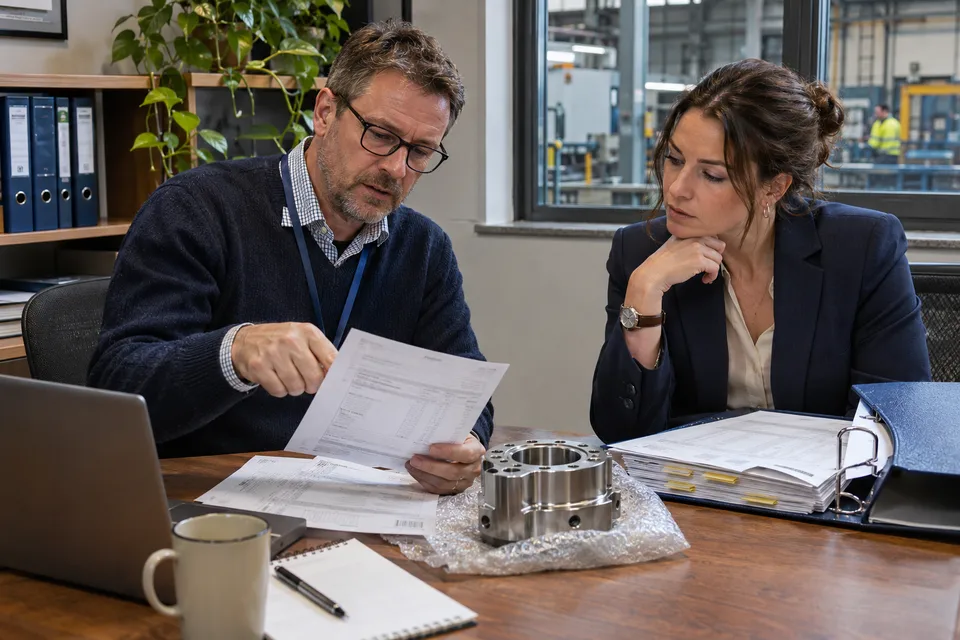
To investigate suspected procurement fraud, first secure the purchasing records and payment trail, identify the specific transaction or decision in question, then independently test supplier identity, approvals, pricing and delivery evidence. Avoid accusing an employee or supplier on the strength of one unusual invoice. A robust investigation separates control failures, mistakes, conflicts of interest and deliberate dishonesty, while retaining records that auditors, solicitors, insurers or police can verify.
At Trojan Investigations , we help organisations define the allegation, preserve available evidence, map decision-making and establish which further enquiries are lawful and worthwhile. The objective is not to generate a long file of suspicions; it is to understand what happened, what loss may have resulted, and what the business can responsibly do next.
What Are the First Steps in a Procurement Fraud Investigation?
Protect evidence and stop avoidable further loss without prejudging responsibility. Start with a short written work covered covering the contracts, suppliers, personnel, payments and relevant period.
- Restrict changes to relevant purchase orders, vendor-master records and approval logs without destroying them.
- Preserve original invoices, tender submissions, variations, goods-received notes and associated communications.
- Check whether a suspicious payment or supplier-bank change needs immediate independent verification.
- Identify who had authority to create a supplier, approve purchases, receive goods and release payment.
- Involve finance, procurement, HR, legal or safeguarding specialists as appropriate while controlling access.
- Keep allegations confidential and give the people concerned a fair opportunity to respond at the proper stage.
What Counts as Procurement Fraud?
Procurement fraud can arise before a contract is awarded, during performance or at payment. It may involve false quotations, dishonest conflicts of interest, collusion, goods never delivered, substituted materials, inflated variation claims, a fictitious supplier or diversion of invoice payments. The conduct and the relevant offences vary. A payment error or a breach of policy does not automatically amount to a criminal fraud.
A procurement officer may have followed a poorly designed process without personal wrongdoing. Equally, a supplier can exploit weak controls without help from an employee. We begin by identifying the alleged false representation, concealed relationship or dishonest advantage and ask what evidence would be expected if that allegation were true—and what alternative explanation could account for the same facts.

Common Warning Signs—and Their Innocent Explanations
Unexplained single-source awards, repeated last-minute invoice edits, overlapping supplier addresses, unusually high change orders and purchases split below approval thresholds deserve examination. They are not findings by themselves. A small market may have few genuine bidders; a supplier may legitimately share an accountant’s address; an emergency purchase may bypass the usual timetable under a lawful exception.
| Indicator | Possible concern | Evidence to compare |
|---|---|---|
| Repeated awards to one supplier | Favouritism, bid manipulation or an entrenched contractual arrangement | Tender criteria, competing bids, documented exemptions and performance history |
| New supplier with a changed bank account | Supplier impersonation or payment diversion | Original onboarding record and independent call-back to a known verified contact |
| Matching prices across supposed competitors | Bid coordination or a common cost basis | Independent bids, tender timing, market data and document source |
| Frequent variations after award | Lowball tender followed by inflated additions | Agreed work changes, authorisations, site records and delivery evidence |
| Invoices without matched delivery | Ghost goods or poor receiving controls | Purchase order, receipt, stock count and supplier correspondence |
| Purchases just under sign-off limits | Deliberate order splitting or recurring normal-sized purchases | Buyer identity, timing, combined requirement and approval policy |
| Personal links to a supplier | Undisclosed conflict, or an innocent association | Conflict declarations, decision authority and any demonstrable benefit |
Preserve Evidence Before Interviewing Anyone
A common mistake is to confront the suspected person before purchasing logs, supplier records or access histories have been secured. In an appropriately authorised business investigation, relevant records may include purchase requisitions, tender scoring, purchase orders, receipts, credit notes, vendor-master changes, finance approvals and emails held on company systems. Preserve the original source and export metadata where possible; do not rely on printed screenshots as the only record.
Document who collected each item, when, from which system and how it was stored. Restrict edits and establish a defensible chain of custody. If litigation is reasonably anticipated, speak to a solicitor about preservation and disclosure before routine deletion or employee exit procedures remove potentially relevant material. A clean evidence chronology can prevent the same invoice being counted twice or the wrong person being associated with an approval.
Minimum Procurement Evidence Pack
- A written allegation and defined review period, with an investigator who has no conflict.
- Purchase orders, invoices, credit notes and remittance records, in original available formats.
- Supplier onboarding, beneficial-ownership leads and documented due-diligence checks.
- Tender invitations, bids, evaluation criteria, scoring sheets and exception approvals.
- Goods-received records, delivery notes, stock movements and independent physical checks.
- Access logs and vendor-master change histories lawfully held by the organisation.
- A chronology of who authorised, received and paid for each transaction.
- Records that undermine the allegation as well as records supporting it.
Follow the Approval and Payment Chain
The chain from business need to payment often reveals the real control gap. Ask who requested the goods, selected the supplier, certified receipt, approved an invoice and authorised the final transfer. Where one person handled multiple stages, that may warrant closer checking, but smaller firms often have limited staff and legitimate compensating controls. A weakness is a risk factor rather than proof of intent.
For suspicious payments, compare the original supplier details with changes to the bank account and the date that change was actioned. Verify payment instructions through a previously established independent channel rather than replying to the message that requested the change. If funds may still be in transit, the employer should speak immediately to its bank; an investigator cannot reverse a transfer by simply producing a report.
Check Suppliers and Ownership Carefully
Lawful checks can include corporate register entries, officer history, trading addresses, insolvency information and publicly available business descriptions. Companies House filings are useful leads but do not independently certify that every filed statement is true. Common directors or addresses can have innocent explanations, especially in a group of companies. A convincing link between supplier and buyer requires corroboration, not a matching surname alone.
When there is evidence of shell suppliers, connected parties or misleading disclosures, our business investigation services can help organise the relevant public, financial and operational intelligence. We cannot access someone’s bank account, tax return or protected criminal-record database merely because a company suspects fraud. More intrusive avenues require their own lawful basis or a formal process.
Public Procurement and Private Procurement Are Not the Same
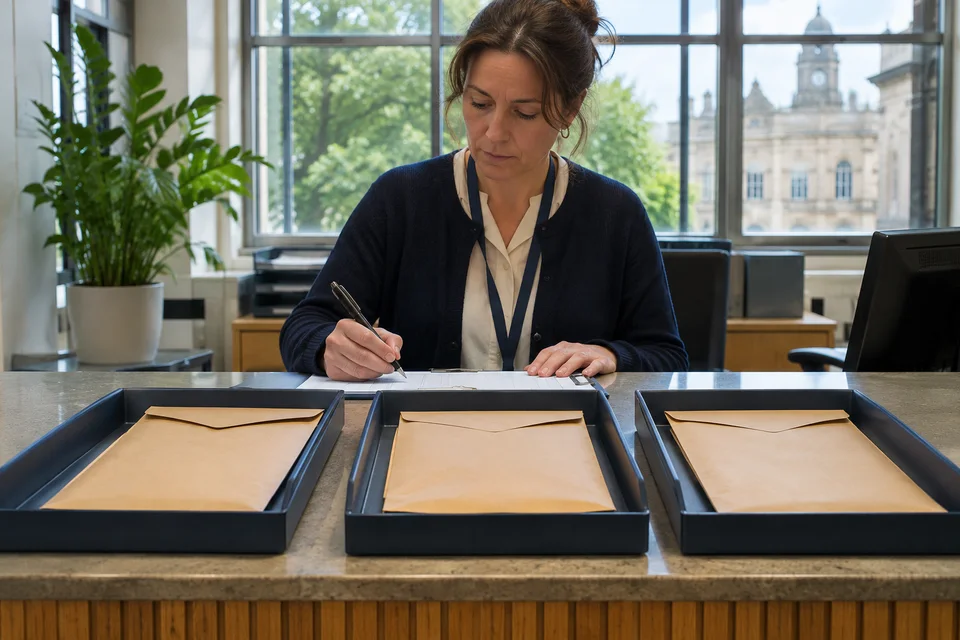
For covered public contracts, the Procurement Act 2023 regime took effect on 24 February 2025, with relevant exclusions, transparency and supplier-related rules. It does not mean every contract signed after that date is automatically under the new rules, because transitions and procurement commencement dates matter. Nor do public procurement duties simply apply in identical form to a private company buying office equipment.
If a public body is involved, establish which regime and tender documents apply with its procurement and legal advisers. The Cabinet Office published exclusions guidance updated in August 2026, and the Debarment Review Service has a defined role for relevant supplier exclusion grounds. A private investigator does not determine debarment or exercise statutory investigation powers on behalf of the government.
Fraud, Bribery, Cartel Conduct and Procurement Rules Are Different Legal Questions
The Fraud Act 2006 may be relevant to dishonest representations or abuse of position; the Bribery Act 2010 addresses bribery; competition law can apply to bid-rigging and cartels. The Economic Crime and Corporate Transparency Act 2023 introduced a failure-to-prevent-fraud offence for qualifying large organisations from 1 September 2025 where the specified benefit conditions are met. It is not a general rule making every employer criminally liable whenever an employee steals from it. Legal classification belongs to the appropriate advisers and authorities.
Interviews Should Test Facts, Not Force a Confession
A good evidence-led interview gives a witness a fair chance to describe purchasing arrangements and explain unusual entries. Acas guidance, updated in June 2026, emphasises impartiality, reasonable investigation and consideration of evidence that supports or contradicts an allegation. Where staff disciplinary consequences are possible, HR should manage its own responsibilities and any relevant accompaniment or representation rights.
Approach technical and operational witnesses before reaching conclusions about dishonest intent. A storekeeper may explain an unmatched receipt; a finance colleague may identify an automated posting error; the contract manager may explain why a variation was genuinely necessary. Avoid telling witnesses what other people supposedly confessed and preserve accurate interview notes.
Can Monitoring or Surveillance Be Used?
Potentially, but it must be necessary, proportionate and legally justified. The ICO says covert worker monitoring is difficult to justify in normal circumstances; exceptional use may arise for serious suspected criminal activity or gross misconduct, with senior-management approval, a data protection impact assessment and a narrow, time-limited plan. It is not a shortcut for reviewing someone’s entire private life.
Where independent observation is justified, our professional surveillance services must be directed towards a specific legitimate fact and conducted without harassment, trespass or unjustified recording. Even a clear observation of goods moving from a site needs context: authority, ownership, destination and whether the movement was recorded.
Do Not Confuse an Allegation with Proven Guilt
Suspending access or protecting company assets may sometimes be appropriate while enquiries proceed, but accusing a named employee or supplier before evidence is assessed can create employment, defamation, commercial and data-protection risks. The investigator should document uncertainty and recommend independent legal or HR advice where needed.
When Should Police, Report Fraud, Insurers or Regulators Be Contacted?
Where there is a credible risk of an offence, preserve material and obtain advice on prompt reporting. Report Fraud became the reporting service replacing Action Fraud in December 2025 for England, Wales and Northern Ireland; suspected crime in Scotland can be reported to Police Scotland. Immediate danger calls for the emergency services. Employers may also have contractual, insurance, public-procurement or sector-regulatory notification obligations that depend on the circumstances.
The investigation should not obstruct or attempt to substitute for a police enquiry. It may be sensible to pause certain staff interviews or contact with a supplier where authorities or legal advisers request that evidence be protected. No private agency can compel production of another business’s bank statements or seize servers under police powers.
1. Define the Suspicion and Authorisation
Agree the allegation, period, expected evidence, investigator independence, legal basis and who will receive the report.
2. Secure Key Business Records
Preserve purchasing, tender, receipt and payment records with source before they are altered or lost.
3. Reconstruct Transactions
Match the business need to the award, order, delivery, invoice and bank transfer, documenting discrepancies.
4. Test Independent Explanations
Verify supplier information, check controls, speak to relevant witnesses fairly and consider innocent alternatives.
5. Report the Findings and Next Decisions
Separate established facts, disputed material, assessed loss, control weaknesses and recommendations for HR, legal, recovery or reporting.
The Final Report Should Separate Loss from Suspicion
A credible procurement report should show which transactions were checked, the value of confirmed discrepancies and any sums that remain only potentially at risk. It should explain methodology, limitations and evidence source. For example, three identical invoice references may represent duplicates, replacements or three separate payments; the bank ledger and approval history must resolve the question before any loss figure is asserted.
If a civil claim, disciplinary dispute or insurance action could follow, our legal and litigation support can help frame an evidence bundle around the relevant question. Legal advisers determine disclosure, privilege and evidential requirements. A private investigator’s opinion does not substitute for an audit, an accountant’s expert valuation or a court finding.
Prevent Recurrence by Fixing the Specific Control Failure
Recovery without prevention leaves the same weakness available to the next dishonest actor. Remediation may involve separation of duties, stronger supplier verification, conflict declarations, three-way matching, audit trails for bank changes and targeted staff training. Controls must suit the business: a 20-person employer may need different safeguards from a public-sector procurement team, but both should be able to explain who checks exceptions.
Assess new controls against what the investigation actually found. Expensive blanket staff monitoring may add privacy risk without preventing the invoice mechanism that caused the loss. An independent test of a small number of historic transactions can provide stronger reassurance than another policy document that nobody follows.
A Useful Investigation Can Clear a Suspicion as Well as Confirm a Problem
Sometimes an apparent procurement fraud is a failed stock-receipt process, misunderstood contract change or shared supplier name. Identifying and documenting the innocent explanation protects staff and supplier relationships while still highlighting practical control improvements.
When to Ask for External Investigative Help
Independent assistance is most useful when internal staff may have a conflict, the records span several systems, a supplier relationship needs external verification, or a solicitor requires a neutral chronology. We can help define proportionate methods and realistic deliverables; we cannot promise a criminal conviction or recovery of every suspected pound.
If you have purchase records, a concerning supplier relationship or a defined incident, book a confidential consultation . We can discuss the evidence already held, priority risks and a staged approach before costs or intrusive enquiries are authorised.
Frequently Asked Questions About Procurement Fraud Investigations
Practical UK answers about procurement evidence, supplier checks, fair employee investigations, public procurement and reporting suspected fraud.
What Is Procurement Fraud?
It describes dishonest conduct in purchasing or contracting, such as falsified invoices, supplier collusion, bribery, ghost orders or dishonest misuse of authority. A policy breach or accounting mistake is not automatically a criminal fraud.
What Should I Do as Soon as I Suspect Purchasing Fraud?
Secure original purchasing and payment records, record the specific concern, restrict further risky payments where authorised and obtain independent finance, HR or legal advice. Avoid immediately accusing a named person.
Can a Private Investigator Examine Company Invoices?
Yes, where the company can lawfully provide them and the processing has an appropriate basis. We can cross-reference invoices with orders, receipts and payment records, but cannot compel third-party confidential information.
Does One Supplier Winning Many Tenders Prove Collusion?
No. Competitive conditions, technical capability, incumbent advantages and legitimate exemptions may explain repeat awards. Tender scoring, pricing, relationships and communications must be checked in context.
Can Supplier Bank-Detail Changes Be Investigated?
Yes. An authorised investigation may compare audit logs, supplier onboarding and approved change procedures. Suspected diversion should also be raised with the bank promptly through trusted channels.
Is Procurement Fraud the Same as Bribery?
Not necessarily. Bribery concerns improper advantages under the Bribery Act 2010, while fraud may involve dishonest representations or abuse of position. One incident may raise more than one legal issue.
Can an Employer Secretly Watch Staff to Prove Fraud?
Covert worker monitoring is exceptionally difficult to justify. ICO guidance requires strong suspicion of serious misconduct or criminal activity, senior authorisation, a DPIA and focused, time-limited methods where justified.
What Records Should Be Preserved?
Keep relevant tenders, scoring, purchase orders, supplier records, approvals, goods receipts, invoices, payment evidence and lawfully held access logs, together with source dates and collection details.
Does the Procurement Act 2023 Apply to Every Business Purchase?
No. The public procurement regime applies to defined covered procurements and includes transitional rules. Private-company purchasing is not automatically governed by identical tender requirements.
Can I Dismiss an Employee as Soon as Fraud Is Alleged?
An allegation is not a finding. Employers should obtain appropriate HR and legal advice and follow fair procedures, including investigation and consideration of evidence on both sides.
Will Investigators Access Supplier Bank Accounts?
No. Private investigators have no general authority to obtain protected bank transactions or freeze funds. Banks, courts and law enforcement have different powers.
Can Evidence Support a Civil Recovery Claim?
Potentially. A contemporaneous, authenticated transaction trail may support legal advice or proceedings; the solicitor determines the claim, disclosure requirements and the form in which evidence is needed.
Should Suspected Fraud Be Reported to the Police?
Credible indications of crime may justify a police or Report Fraud report, alongside bank, insurer or regulator notifications where applicable. Timing should be considered with legal advisers and urgent loss containment.
How Long Does a Procurement Investigation Take?
A contained invoice discrepancy may need a short documentary review, while multi-supplier or cross-system enquiries can take much longer. A work coveredd staged plan is more reliable than a guaranteed timeframe.
What Should I Bring to the Consultation?
Bring the alleged transaction list, key dates, supplier names, purchasing policy, sample orders and invoices, known losses and the decision you need supported. Do not gather unrelated personal accounts or records.
Not Sure Where to Start?
Tell us what happened and what you need to establish. We’ll discuss the options before you decide.
BOOK A FREE CONSULTATION