Begin with the Instruction
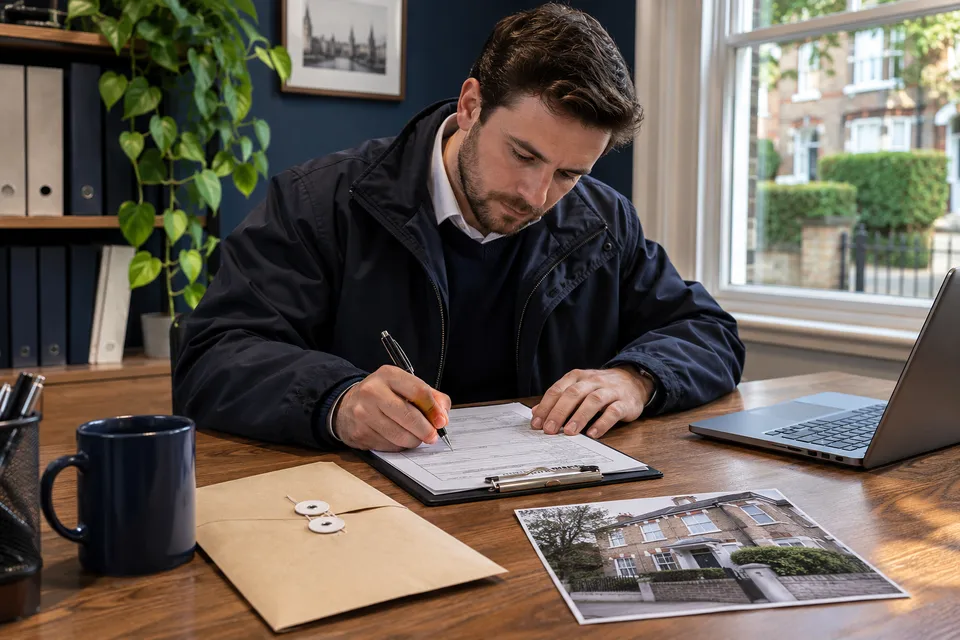
A reader should be able to see what the investigator was asked to establish, which period the work covers and which methods were agreed. This gives the findings a context and helps prevent a narrow observation being treated as a complete account of events.
Use a Clear Chronology
Dates, times, locations and the sequence of relevant events should be understandable. Distinguish direct observation from information supplied by another person. Identify interruptions or periods where continuity was lost.
Connect Supporting Material to the Finding
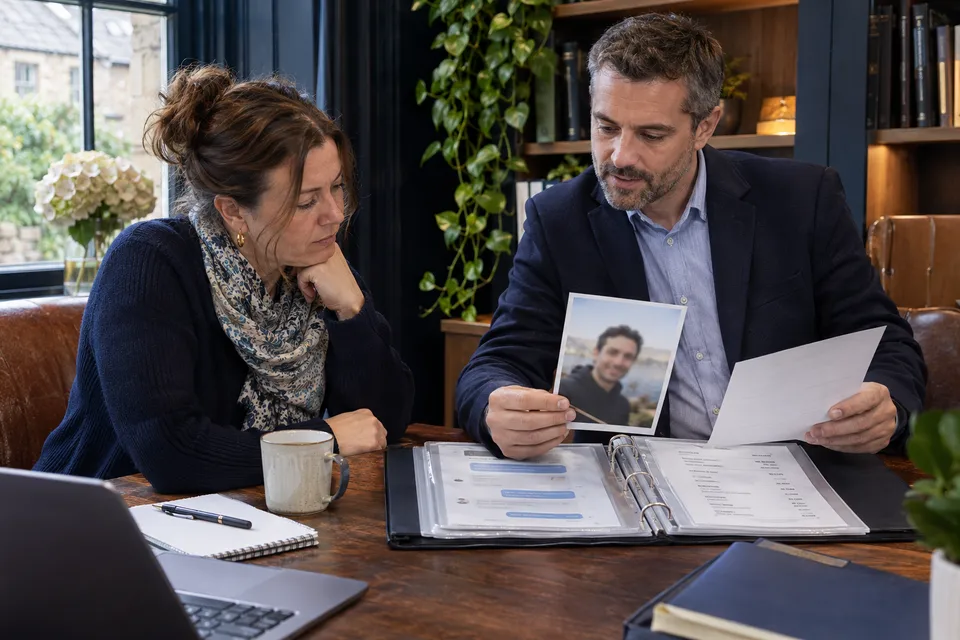
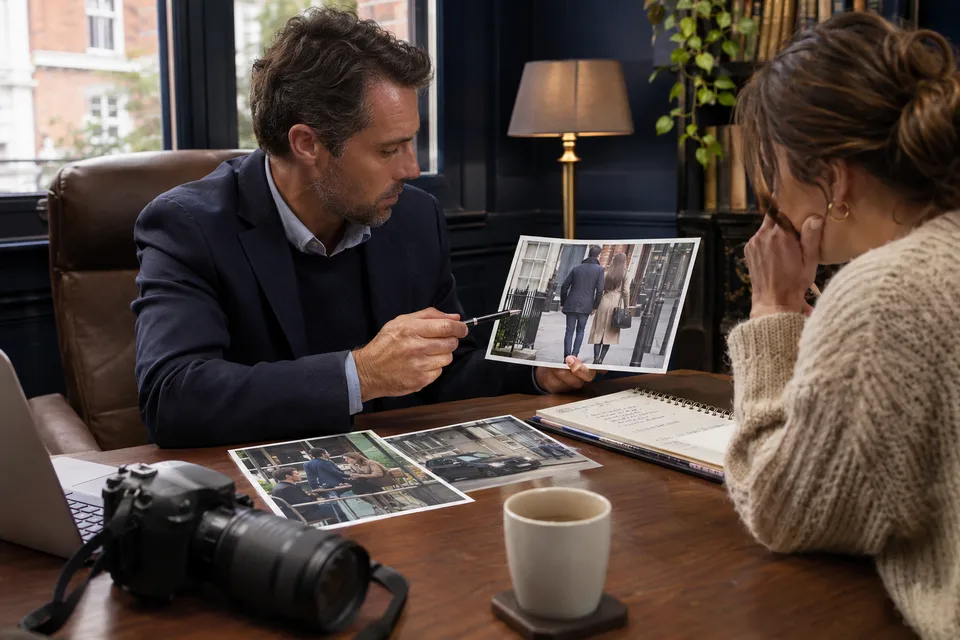
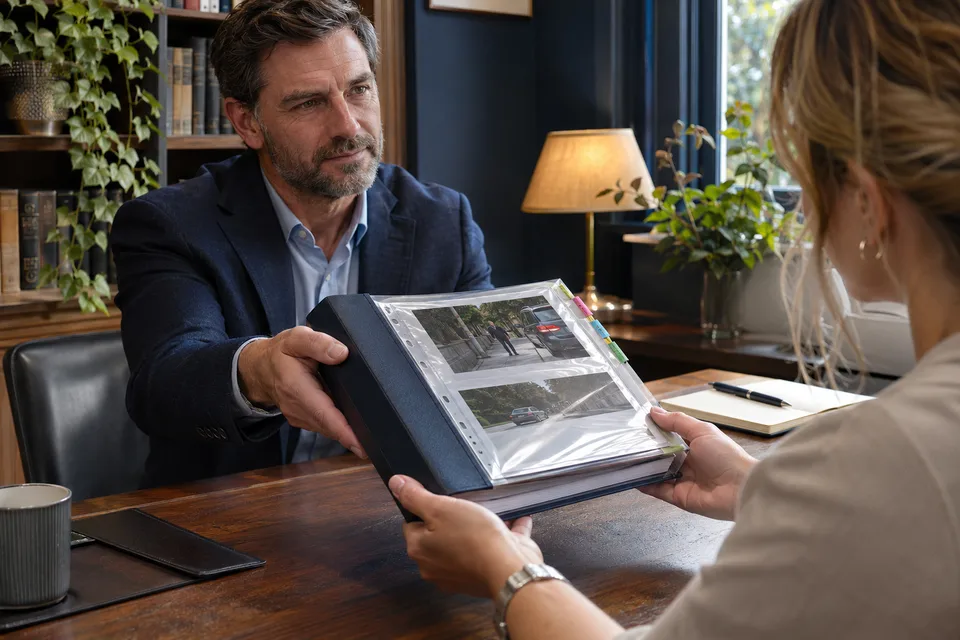
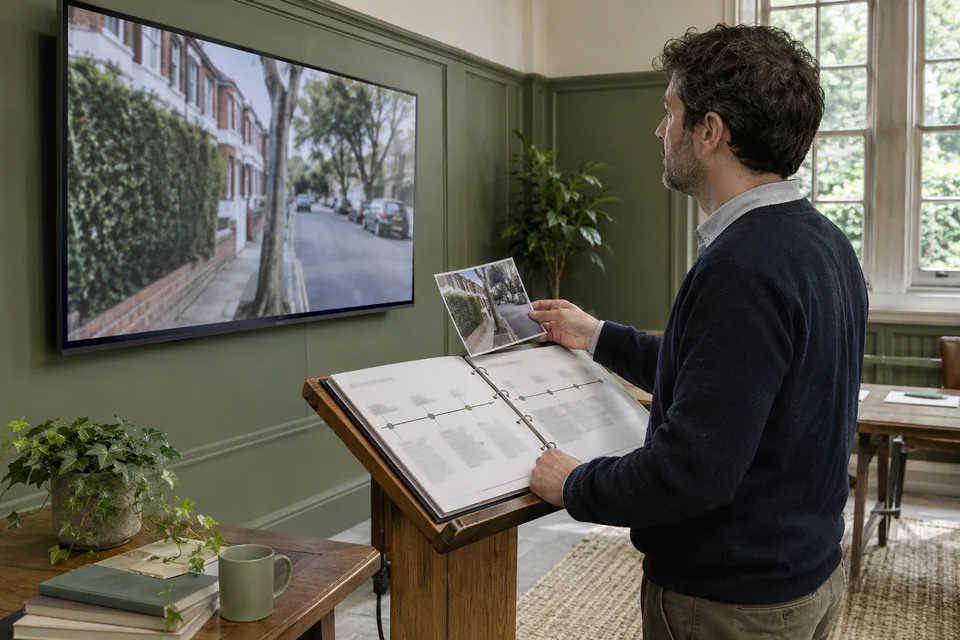
Relevant photographs, video or records should be identifiable and explained in context. A still image may show a moment but omit what happened before or afterwards. Where evidence may be used in proceedings, handling and reporting requirements should be agreed with the legal team early.
Keep Conclusions Proportionate
A report should not convert a lead into a verified identity or a short observation into a medical judgment. It should include material that weakens the initial concern as well as findings that support it. An absence of evidence during a booking is not proof that something never happens.
Discuss the Intended Use
Personal clarity, an internal workplace process and litigation can require different reporting arrangements. A court decides what evidence may be used and what weight it carries. Ask your solicitor what is needed for the particular case rather than relying on the label “court-ready”.
Not Sure Where to Start?
Tell us what happened and what you need to establish. We’ll discuss the options before you decide.
BOOK A FREE CONSULTATION